

Writing Suspect Interviews in Cozy Mysteries
How to Create an Effective Suspect Interview
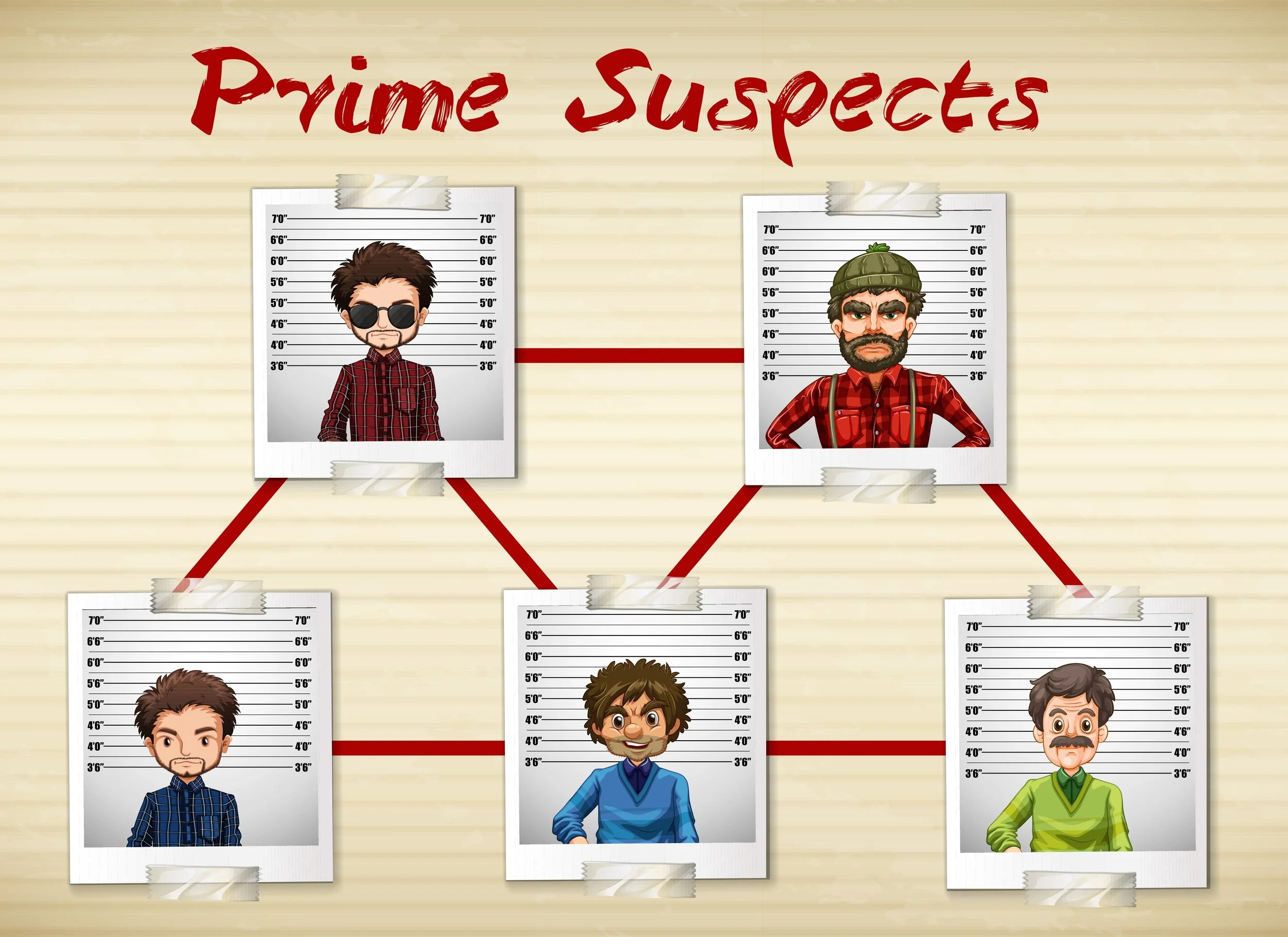
Suspect interviews are key scenes in cozy mysteries. Amateur sleuths rarely have access to case files or forensics, so they must question suspects to get the information they need to solve a case. When written correctly, suspect interviews can deepen a mystery and keep readers guessing whodunit until the final reveal.
How Many Times Should the Sleuth Interview a Suspect?
Amateur sleuths often interview the same primary suspects two to three times in the course of an investigation. Each interview has a different purpose:
First interview: What happened?
Second interview: Why doesn't your story hold up?
Third interview: Here's what really happened. Care to explain?
First Round of Suspect Interviews in a Cozy Mystery
The first round of interviews in a cozy mystery allows the amateur sleuth to gather basic facts, ask about alibis, and learn about the suspect's relationship with the victim. The purpose of these early interviews is not to solve the case. Instead, they should shape suspicion, reveal character, and create momentum.
Second Round of Suspect Interviews in a Cozy Mystery
The second round of interviews gives the sleuth a chance to expose truths/lies and generate new questions that propel the investigation forward. In this round of interviews, the sleuth possesses more knowledge thanks to newly acquired evidence, gossip, or information that exposes discrepancies from the initial interviews. The sleuth's questions should be sharper and more specific to make it harder for the suspect to hide the truth. By the end of the interview, the suspect should revise their story, admit a lie or a partial truth, or provide new information.
Third Round of Suspect Interviews in a Cozy Mystery
A third round of suspect interviews is optional in a cozy mystery. Not every suspect will need a third interview. This round is used to force a turning point and create a bridge to the climax. The sleuth's goal is to get the final bit of information they need to either clear a suspect or push someone toward exposure. In either case, the sleuth typically gets a dramatic reveal about a hidden motive, relationship, or misdirection.
How to Create an Effective Suspect Interview
The most effective suspect interviews give the sleuth one or both of the following:
At least one new question
At least one new lead
New Question
The new question often arises because the suspect told the truth or a lie (or both).
Suspects will usually tell the truth when it makes them look innocent, paints someone else in a bad light, or feels harmless. For example, a suspect may tell the sleuth about their whereabouts because they know it gives them an alibi. Or, they may tell the sleuth about an argument they witnessed, knowing that it makes someone else look guilty. These scenarios could create questions for the sleuth. If the suspect has an alibi, who else could have committed the murder? Does the person who argued with the victim have a motive?
Suspects often lie to save themselves embarrassment (affairs, debts, rivalries), to protect their reputation, or to protect someone else. For example, a suspect may lie and say they were home all night to hide an affair or a secret meeting with someone. Or they may insist that their finances are stable because they are too ashamed to admit that they have enormous debts. These scenarios could also create questions for the sleuth. Is he lying about being home alone all night? If her finances are so good, why is she behind on her payments?
New Lead
The lead typically creates momentum in the case and advances the plot. It may:
Redirect the sleuth and give them another person to interview, a location to visit, a timeline to double-check, or a contradiction that needs resolving.
Complicate the mystery by introducing a second suspect, weakening an early assumption, or adding emotional stakes.
Raise tension
Editing a Suspect Interview
When it's time to edit your mystery novel, check the suspect interviews carefully to ensure they contribute to the mystery plot and the story's momentum. The interviews should create or shift suspicion in a meaningful way. If the interviews fail to achieve one of these goals, revise them until they serve their purpose.
If you need additional help editing suspect interviews or other aspects of your cozy mystery, a developmental editor can help.

Start with Cozy Mystery 101 to learn about genre rules, characters, settings, and more.

See a list of cozy mystery book publishers along with examples of books in their catalogs.

Get a cozy mystery beat sheet that you can use to quickly and easily outline your cozy mystery.

Get average word counts for cozy mystery books, novellas, novelettes, and short stories.

Learn how to write cozy mystery subplots that mesh with the rest of your story.
Learn how to write cozy mystery murder board moments that will help your sleuth and your readers.